
There are 4 ways to get from Piccadilly Circus (Station) to Commodore Hotel, London by subway, bus, taxi, or foot
Select an option below to see step-by-step directions and to compare ticket prices and travel times in Rome2Rio's travel planner.
Subway
best- Take the subway from Oxford Circus station to Lancaster Gate Stationsubway Central
19 min£1–5Line 94 bus
- Take the bus from Piccadilly Circus to Leinster Terracebus 94
23 min£2Taxi
- Take the taxi from Piccadilly Circus (Station) to Commodore Hotel, Londontaxi 2.3 mi
8 min£21–26Walk
- Take the walk from Piccadilly Circus (Station) to Commodore Hotel, Londonwalk 2.2 mi
41 min
Piccadilly Circus (Station) to Commodore Hotel, London by bus and foot
Questions & Answers
The cheapest way to get from Piccadilly Circus (Station) to Commodore Hotel, London is to subway which costs £1 - £5 and takes 19 min.
The fastest way to get from Piccadilly Circus (Station) to Commodore Hotel, London is to taxi which takes 8 min and costs £21 - £26.
Yes, there is a direct bus departing from Piccadilly Circus and arriving at Leinster Terrace. Services depart every five minutes, and operate every day. The journey takes approximately 21 min.
Yes, there is a direct train departing from Oxford Circus station station and arriving at Lancaster Gate Station station. Services depart every five minutes, and operate every day. The journey takes approximately 5 min.
The distance between Piccadilly Circus (Station) and Commodore Hotel, London is 2 miles.
The best way to get from Piccadilly Circus (Station) to Commodore Hotel, London without a car is to subway which takes 19 min and costs £1 - £5.
The subway from Oxford Circus station to Lancaster Gate Station takes 5 min including transfers and departs every five minutes.
Piccadilly Circus (Station) to Commodore Hotel, London bus services, operated by First Bus London, depart from Piccadilly Circus station.
Piccadilly Circus (Station) to Commodore Hotel, London train services, operated by London Underground (Tube), depart from Oxford Circus station.
Piccadilly Circus (Station) to Commodore Hotel, London bus services, operated by First Bus London, arrive at Leinster Terrace station.
What companies run services between Piccadilly Circus (Station), England and Commodore Hotel, London, England?
London Underground (Tube) operates a subway from Oxford Circus station to Lancaster Gate Station every 5 minutes. Tickets cost £1–5 and the journey takes 5 min. Alternatively, First Bus London operates a bus from Piccadilly Circus to Leinster Terrace every 5 minutes. Tickets cost £2 and the journey takes 21 min.
Rome2Rio's guide to London Underground (Tube)
Contact DetailsContact Details
- Phone
- +44 343 222 1234
- Website
- tfl.gov.uk
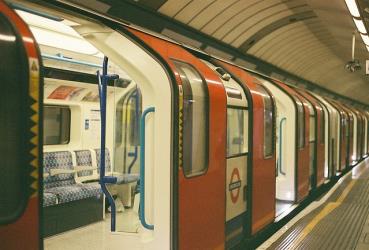
Subway from Oxford Circus station to Lancaster Gate Station
- Ave. Duration
- 5 min
- Frequency
- Every 5 minutes
- Estimated price
- £1–5
- Schedules at
- London Underground (Tube)
- Phone
- 0343 222 1234
- [email protected]
- Website
- London United
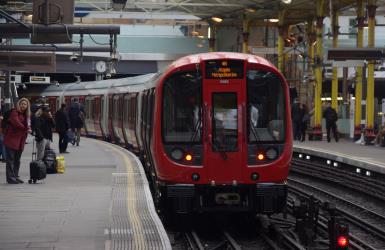
Bus from Piccadilly Circus to Leinster Terrace
- Ave. Duration
- 21 min
- Frequency
- Every 5 minutes
- Estimated price
- £2
- Website
- London United
- Ave. Duration
- 8 min
- Estimated price
- £21–26
Cabs London
- Phone
- +44 20 3813 1432
- Website
- cabslondon.com
Call London Taxi
- Phone
- +44 20 3813 1432
- Website
- calllondontaxi.co.uk
ComCab London
- Phone
- +44 20 7908 0271
- Website
- comcab.com
Licenced London Taxi
- Phone
- +44 20 3633 1777
- Website
- licensedlondontaxi.co.uk
London Taxis Cabs
- Phone
- +44 20 3813 1432
- Website
- londontaxiscabs.com
One-Number Taxi
- Phone
- +44 871 871 8710
- Website
- the-london-taxi.com
Palmers Green Taxis Cabs
- Phone
- +44 20 3813 1432
- Website
- palmersgreentaxiscabs.co.uk
Sydenham Cars
- Phone
- +44 20 3925 5951
- Website
- sydenhamcars.co.uk
YDriv Limited
- Phone
- +44 20 3925 5951
- Website
- ydriv.com
Want to know more about travelling around United Kingdom
Rome2Rio's Travel Guide series provide vital information for the global traveller. Filled with useful and timely travel information, the guides answer all the hard questions - such as 'How do I buy a ticket?', 'Should I book online before I travel? ', 'How much should I expect to pay?', 'Do the trains and buses have Wifi?' - to help you get the most out of your next trip.
Related travel guides
Travelling to the UK: What do I need to know?
Read the travel guide
The London Underground: Essential tips to navigate the Tube
Read the travel guide
How do I buy a London Underground ticket?
Read the travel guide
More Questions & Answers
Piccadilly Circus (Station) to Commodore Hotel, London train services, operated by London Underground (Tube), arrive at Lancaster Gate Station.
There are 21916+ hotels available in Commodore Hotel, London.