
There are 4 ways to get from Ware to Plymouth by train, bus, car, or plane
Select an option below to see step-by-step directions and to compare ticket prices and travel times in Rome2Rio's travel planner.
Train
best- Take the train from London Paddington to Plymouthtrain London Paddington - Plymouth / ...
4h 53m£114–224Bus
cheapest- Take the bus from St Peter's Street to Heathrow Central Bus Stationbus 725 / ...
- Take the bus from London Heathrow Airport to Plymouth Coach Stationbus Ukn49
9h 47m£27–46Drive 238 mi
- Drive from Ware to Plymouthcar 238 mi
4h 8m£58–83Fly, train
- Fly from London Heathrow Airport (LHR) to Exeter (EXT)plane LHR - EXT
- Take the train from Exeter St Davids to Plymouthtrain
7h 28m£209–444
Ware to Plymouth by train and subway
Questions & Answers
The cheapest way to get from Ware to Plymouth is to bus which costs £26 - £50 and takes 9h 47m.
The fastest way to get from Ware to Plymouth is to drive which takes 4h 8m and costs £55 - £85.
No, there is no direct bus from Ware to Plymouth station. However, there are services departing from Hertford Regional College and arriving at Plymouth Coach Station via St Peter's Street and London Heathrow Airport. The journey, including transfers, takes approximately 9h 47m.
No, there is no direct train from Ware to Plymouth. However, there are services departing from Ware and arriving at Plymouth via Liverpool Street station and London Paddington. The journey, including transfers, takes approximately 4h 53m.
The distance between Ware and Plymouth is 252 miles. The road distance is 239.4 miles.
The best way to get from Ware to Plymouth without a car is to train which takes 4h 53m and costs £110 - £230.
It takes approximately 4h 53m to get from Ware to Plymouth, including transfers.
Ware to Plymouth bus services, operated by Arriva UK, depart from St Peter's Street station.
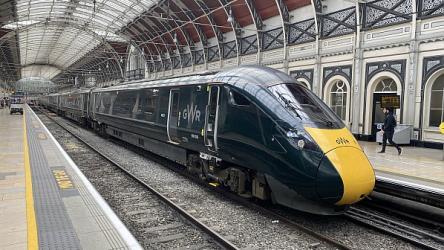
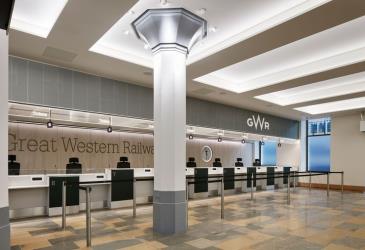
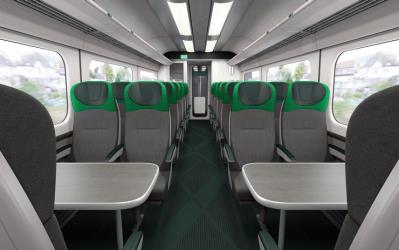
Ware to Plymouth train services, operated by Great Western Railway (GWR), depart from London Paddington station.
The best way to get from Ware to Plymouth is to train which takes 4h 53m and costs £110 - £230. Alternatively, you can bus, which costs £26 - £50 and takes 9h 47m.
What companies run services between Ware, Hertfordshire, England and Plymouth, England?
Great Western Railway (GWR) operates a train from London Paddington to Plymouth hourly. Tickets cost £100–190 and the journey takes 3h 13m. Alternatively, you can take a bus from Hertford Regional College to Plymouth Coach Station via St Peter's Street, Heathrow Central Bus Station, and London Heathrow Airport in around 9h 47m.
- Website
- britishairways.com
Flights from London Heathrow Airport to Exeter via Jersey
- Ave. Duration
- 2h 45m
- When
- Monday, Tuesday, Wednesday, Thursday, Friday, and Sunday
- Estimated price
- £160–360
Flights from London Heathrow Airport to Exeter via Newcastle
- Ave. Duration
- 4h 20m
- When
- Thursday
- Estimated price
- £220–750
Flights from London Heathrow Airport to Exeter via Edinburgh
- Ave. Duration
- 4h 55m
- When
- Tuesday to Friday
- Estimated price
- £250–800
Flights from London Heathrow Airport to Exeter via Dublin
- Ave. Duration
- 5h 40m
- When
- Every day
- Estimated price
- £150–440
- Website
- klm.com
Flights from London Heathrow Airport to Exeter via Amsterdam Schiphol
- Ave. Duration
- 4h 40m
- When
- Every day
- Estimated price
- £65–360
- Website
- aerlingus.com
Flights from London Heathrow Airport to Exeter via Dublin
- Ave. Duration
- 5h 40m
- When
- Every day
- Estimated price
- £150–440
- Phone
- +44 (0)345 7000 125
- [email protected]
- Website
- Great Western Railway (GWR)
Train from London Paddington to Plymouth
- Ave. Duration
- 3h 13m
- Frequency
- Hourly
- Estimated price
- £100–190
- Website
- Great Western Railway (GWR)
Train from Exeter St Davids to Plymouth
- Ave. Duration
- 1h 1m
- Frequency
- Hourly
- Estimated price
- £23–45
- Website
- Great Western Railway (GWR)


- Phone
- +44 3447 369 123
- [email protected]
- Website
- Cross Country
Train from Exeter St Davids to Plymouth
- Ave. Duration
- 57 min
- Frequency
- Hourly
- Estimated price
- £27–40
- Website
- Cross Country
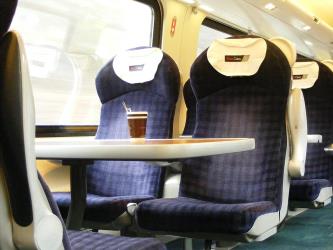
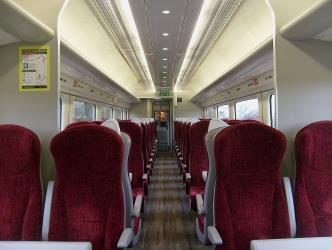
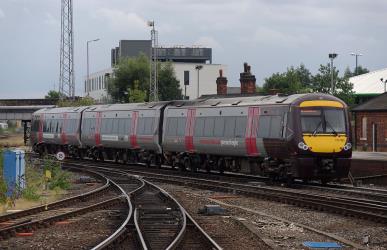
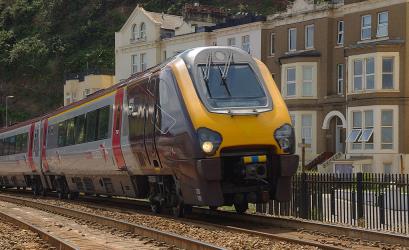
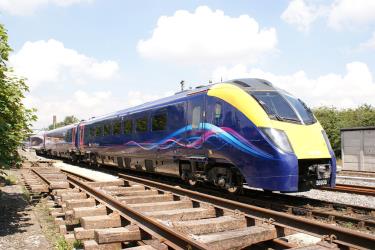
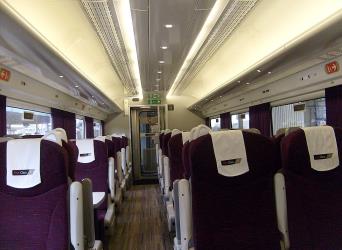
_(2).jpg "Train Exterior")
- Phone
- +44 344 800 44 11
- [email protected]
- Website
- Arriva UK
Bus from St Peter's Street to Heathrow Central Bus Station
- Ave. Duration
- 1h 42m
- Frequency
- Every 30 minutes
- Estimated price
- £1–3
- Website
- Arriva UK
- Adult Single All Zone
- £1–3
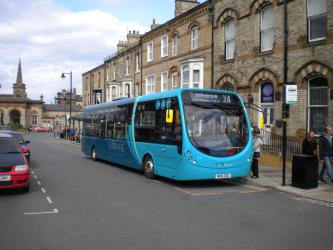
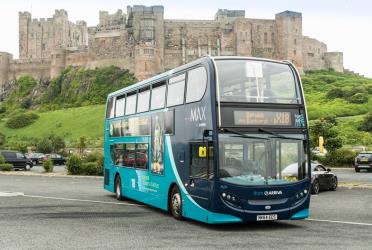
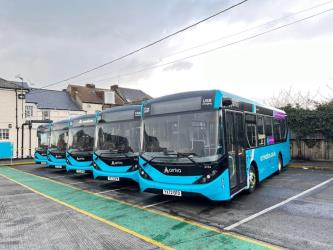
- Phone
- +49 30 300 137 300
- [email protected]
- Website
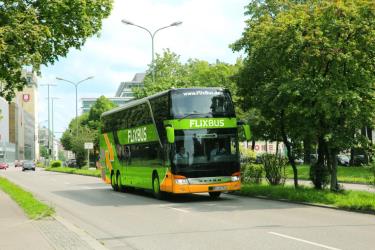
- Flixbus
Bus from London Heathrow Airport to Plymouth Coach Station
- Ave. Duration
- 5h 25m
- Frequency
- Once daily
- Estimated price
- £24–40
- Website
- Flixbus


Want to know more about travelling around United Kingdom
Rome2Rio's Travel Guide series provide vital information for the global traveller. Filled with useful and timely travel information, the guides answer all the hard questions - such as 'How do I buy a ticket?', 'Should I book online before I travel? ', 'How much should I expect to pay?', 'Do the trains and buses have Wifi?' - to help you get the most out of your next trip.
Related travel guides
Travelling to the UK: What do I need to know?
Read the travel guide
The London Underground: Essential tips to navigate the Tube
Read the travel guide
How do I buy a London Underground ticket?
Read the travel guide
More Questions & Answers
Ware to Plymouth bus services, operated by Arriva UK, arrive at Heathrow Central Bus Station.
Ware to Plymouth train services, operated by Great Western Railway (GWR), arrive at Plymouth station.
Yes, the driving distance between Ware to Plymouth is 239 miles. It takes approximately 4h 8m to drive from Ware to Plymouth.
Book your Ware to Plymouth train tickets online with Omio.
There are 1674+ hotels available in Plymouth.